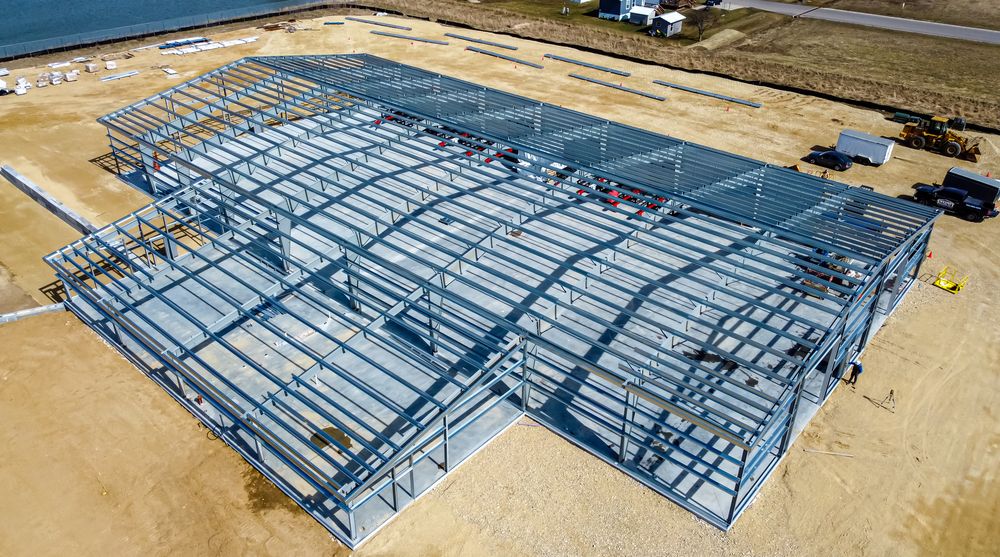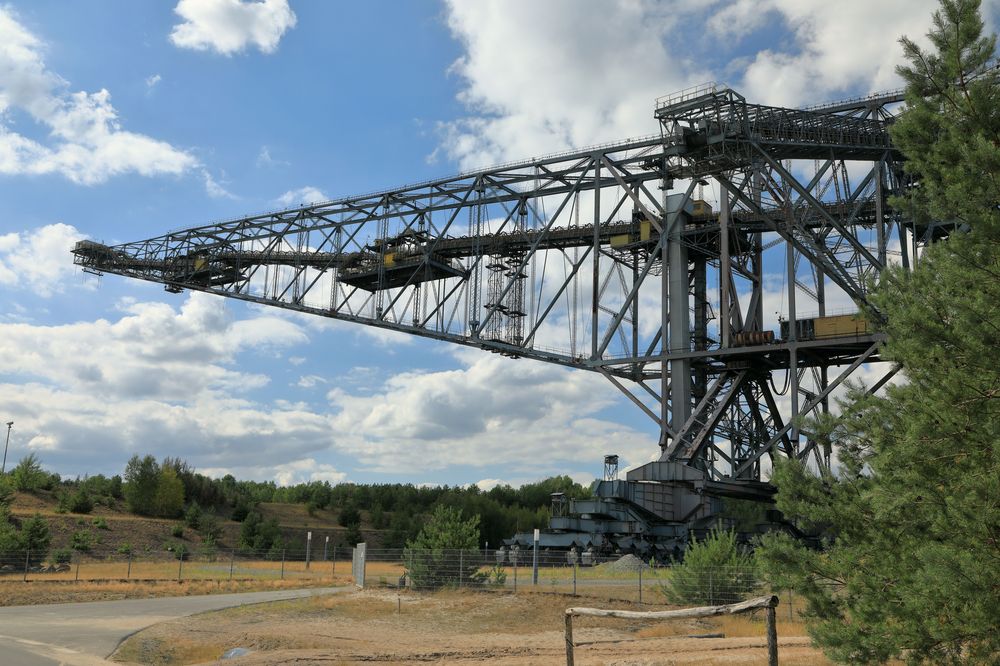
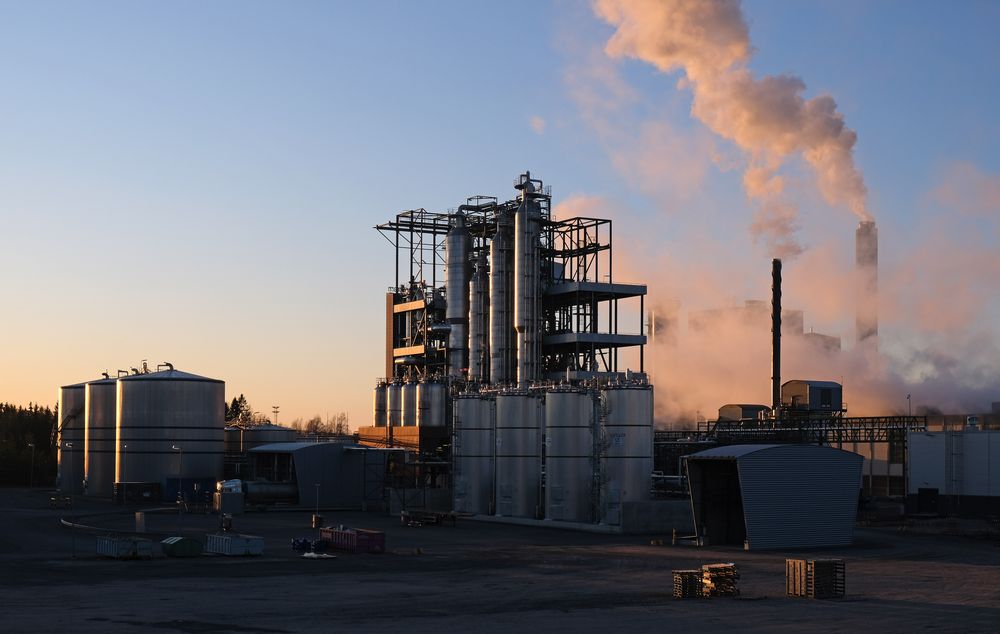
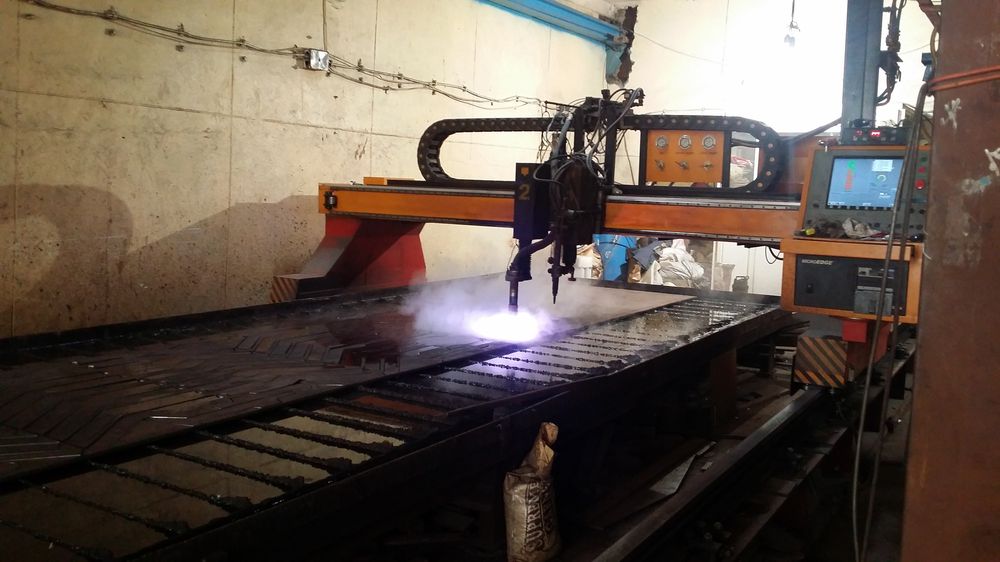
Erecting a steel structure is a sequence. Each step prepares the next, and skipping one tends to cost more time later than it saves. The order below is typical for an industrial building, tower or platform frame. The exact plan for a project should come from the erection drawings and the engineer in charge.
Foundations and anchor bolts
Before steel arrives, check the foundations. The anchor bolts need to be in the right position, at the right projection and with threads protected. Levels of the concrete or grout pads should match the drawing. A bolt that is out of place by a few millimetres can stop a column from landing, so the survey is done while corrections are still easy.
Setting the columns
Columns are lifted by crane, lowered over the anchor bolts and fixed with nuts. Levelling shims or nuts under the base plate bring the column to height and plumb. At this point the column is only held at the bottom, so it is secured with temporary stays or guy ropes until bracing and beams tie it into the rest of the frame.
Bracing and stability
As soon as columns are up, the bracing bays go in first. These bays give the structure its stiffness, and the rest is built outward from them. An unbraced frame can move in wind or when a load is lifted into it, which is dangerous for the crew as well as for the alignment.
Beams, platforms and secondary steel
Main beams connect the columns, and then secondary beams, platforms, stairs and handrails follow. Connections are bolted loosely first so that members can move a little while the frame is aligned.
Alignment and bolt tightening
With the frame in place, the team checks plumb, level and square using survey instruments, and adjusts. Only then are bolts tightened to the method the design requires, working from the stiffest part of a joint outward. Grouting of base plates normally follows once alignment is accepted.
Safety on site
- Use a lifting plan that names the crane, the rigging and the lift path.
- Keep people clear of the lift zone and away from suspended loads.
- Provide fall protection, safe access and edge protection for people working at height.
- Hold a short briefing before each shift on the day's lifts.
Handover matters too. When erection is done, walk the structure with the client, list anything left open and record the final alignment readings, so that later maintenance starts from a known condition.
Mavenshell handles steel erection together with civil, mechanical and piping work, with lifting support from Thakur Crane Services. Details of how we run site work are on our project execution page.
Let's build industrial growth together. Mavenshell fabricates, transports and installs, with inspection at three stages.