
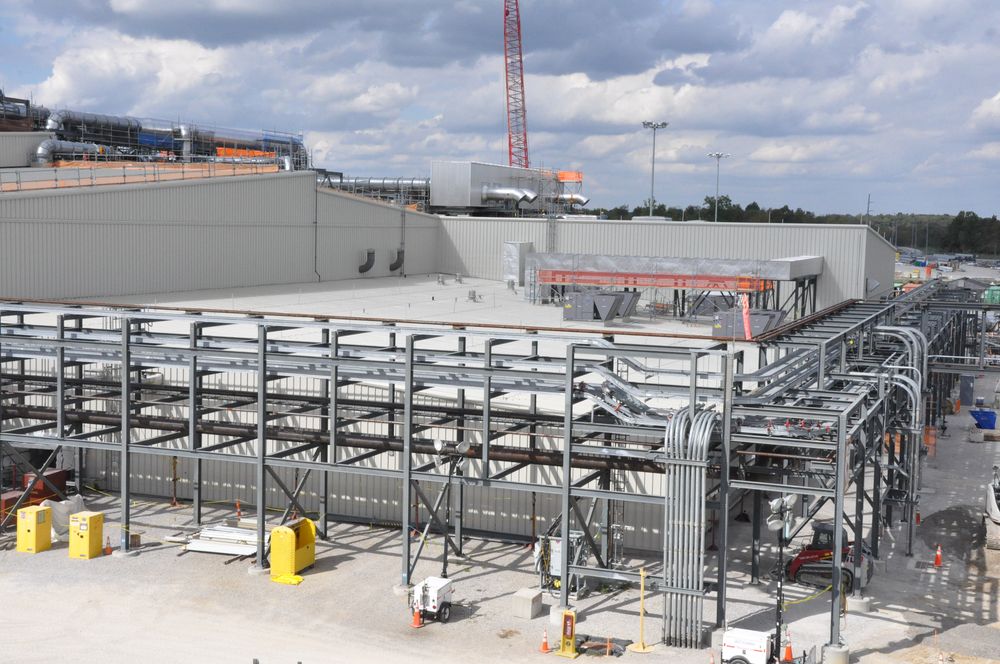
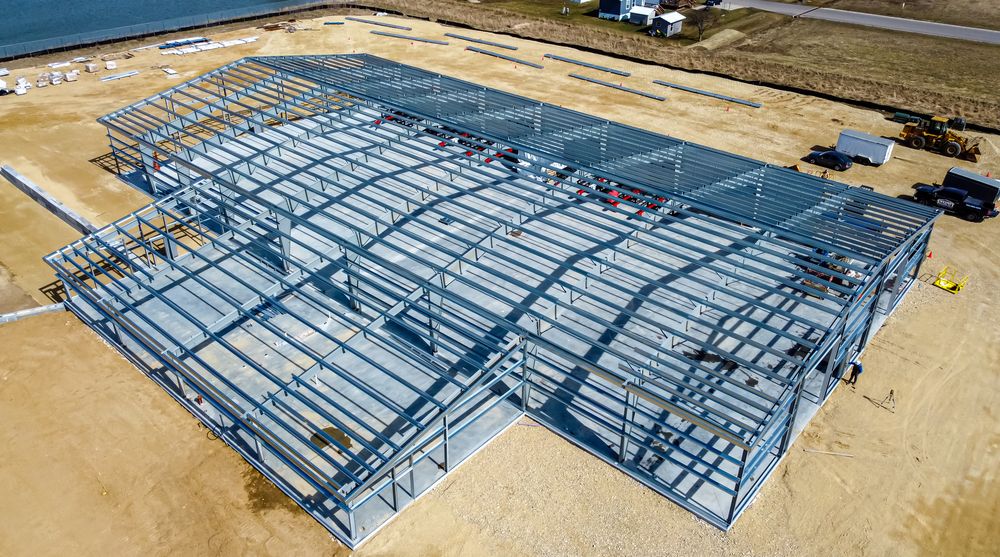
Steel rusts when it meets oxygen and moisture, and salts or industrial pollutants in the air speed it up. The structure may be strong on day one, and corrosion reduces that strength slowly. Protection is a system with several parts, and it is cheapest when done well the first time.
Surface preparation
A coating can only hold on a clean surface. Mill scale, rust, oil and dust have to go before painting. Abrasive blasting is the usual method for industrial steel, and the specification names the cleanliness level required. Coating should follow soon after blasting, before new rust forms, and not while the surface is wet.
Coating systems
Most systems have layers. A primer bonds to the steel and gives first protection. Intermediate coats build thickness. A finish coat resists sunlight and weather. The right system depends on the environment, the expected life and the maintenance plan, so the paint supplier's data sheet and the project specification should lead. Dry film thickness is measured to make sure each layer is applied as specified.
Galvanizing
Hot-dip galvanizing coats steel with zinc by dipping the finished part in a bath. It suits items such as handrails, gratings, stair parts and small frames, and it coats edges and inner surfaces that a brush cannot easily reach. Size is limited by the bath, and parts must be designed with vent and drain holes. Galvanized steel can also be painted for extra life.
Weld, edge and joint care
- Seal-weld or fill gaps where water could sit between plates.
- Avoid pockets and flat tops that collect water, or add drain holes.
- Touch up damage from transport and erection before it spreads.
- Coat bolts and joints, and use suitable fasteners.
Humid and coastal sites
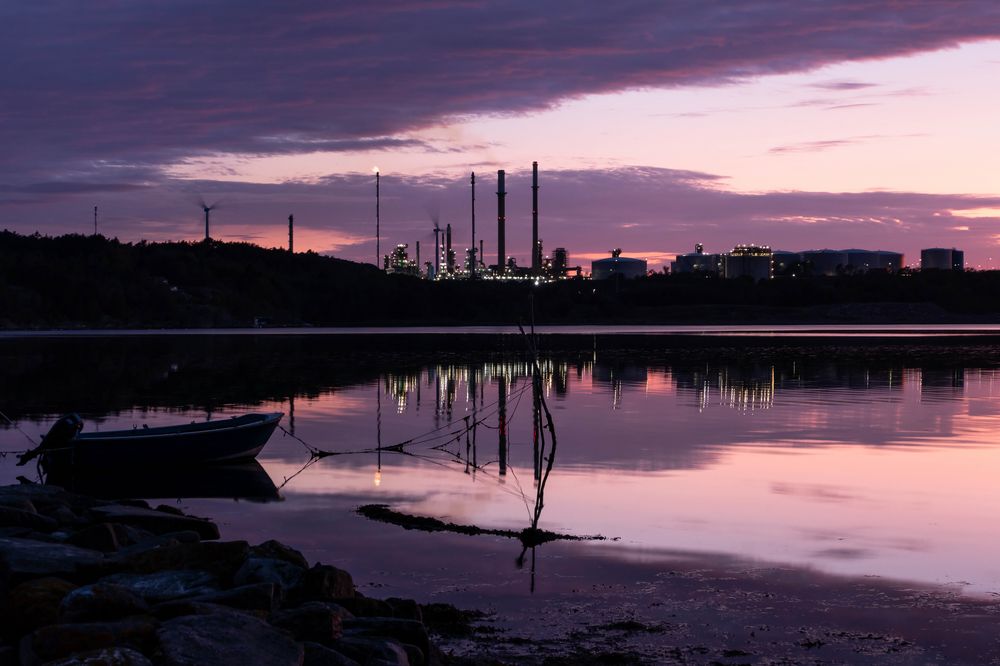
Salt in the air and constant dampness make corrosion faster. Such sites usually need a more demanding coating system, more care with details and a closer eye on the structure after handover. Rinse-down of salt deposits can also be part of routine upkeep.
Inspection and upkeep
Walk the structure on a regular schedule, and look at lower sections, joints, drains and places where water collects. Early touch-up costs far less than repainting a rusted member. Record what is found so you can see how fast it changes. Photographs taken at each visit make comparison easy, and they help decide whether a section needs touch-up now or can wait for the next planned shutdown.
Mavenshell fabricates from IS 2062 structural steel and prepares and coats it to the project specification. Learn more about our industrial structures work.
Let's build industrial growth together. Mavenshell fabricates, transports and installs, with inspection at three stages.