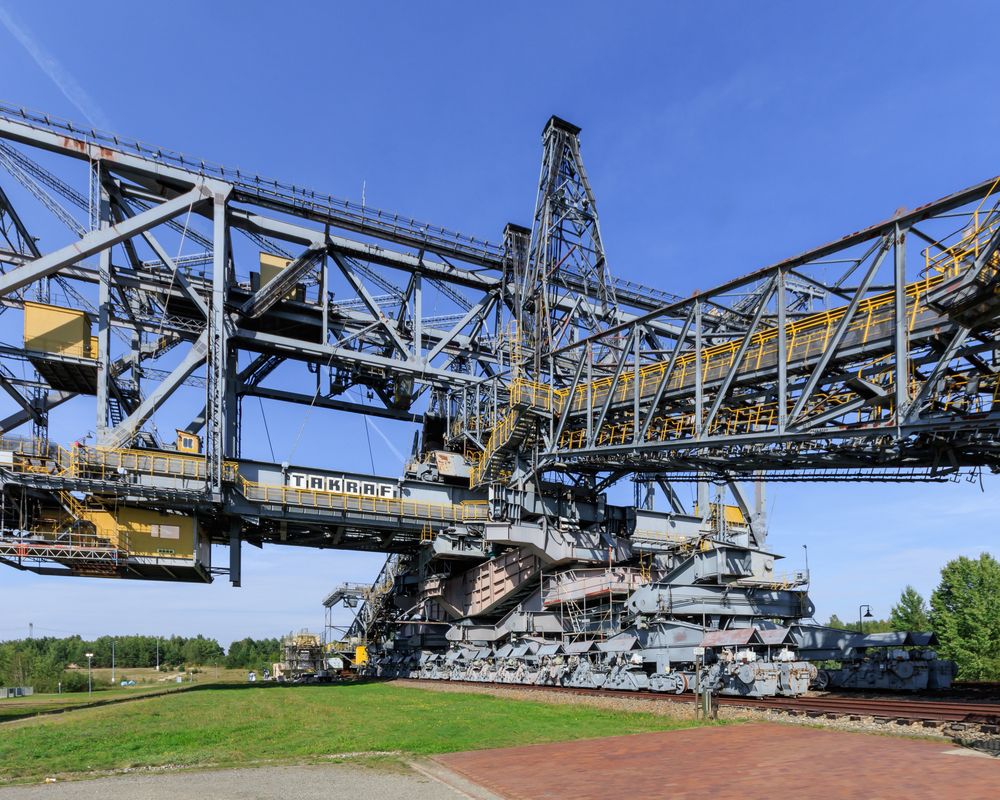
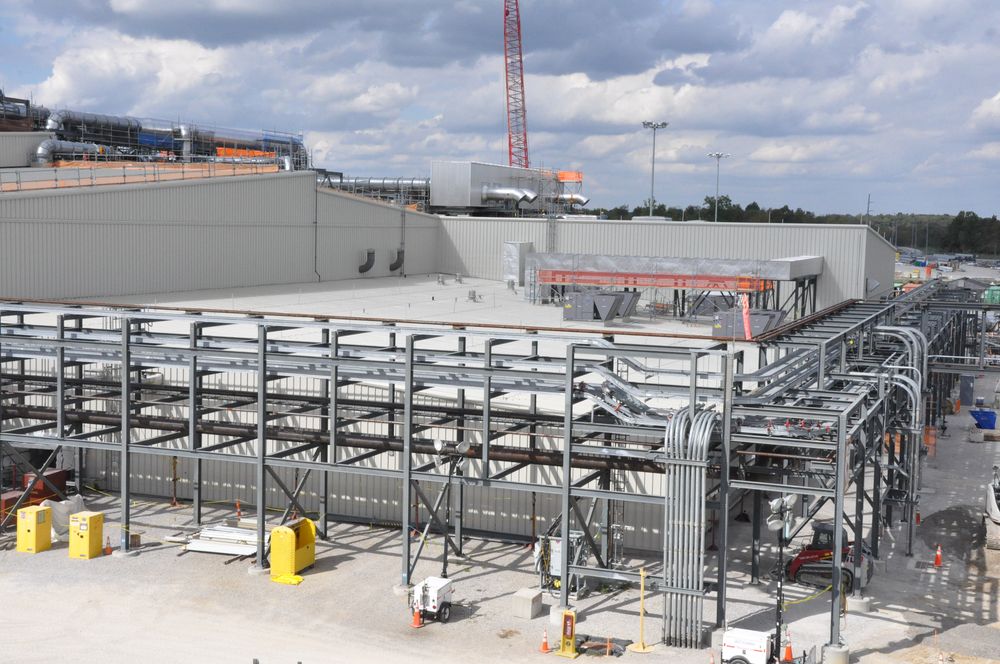
A conveyor gallery is the covered steel structure that carries a belt conveyor from one point to another, often above ground and over roads or equipment. It has two jobs. It supports the belt, idlers and material. It also gives people a safe place to inspect and repair the conveyor while it is stopped. Good galleries are designed with both jobs in mind from the first drawing.
Trestles and supports
The gallery rests on trestles, which are steel frames made of columns and cross members that stand on foundations at set intervals. The spacing depends on the span the gallery truss can carry, the belt width, the loads and the site layout. Trestle columns must be vertical and the base plates level, because any error here is passed up the structure and ends in a belt that tracks to one side.
Bracing
X-bracing between columns and along the gallery stops the structure from swaying. It resists wind, the push and pull of the belt when it starts and stops, and the small movements of a loaded line. Bracing should be checked after erection, since bolts that were loose or members that were fitted under strain reduce its value.
Walkways and handrails
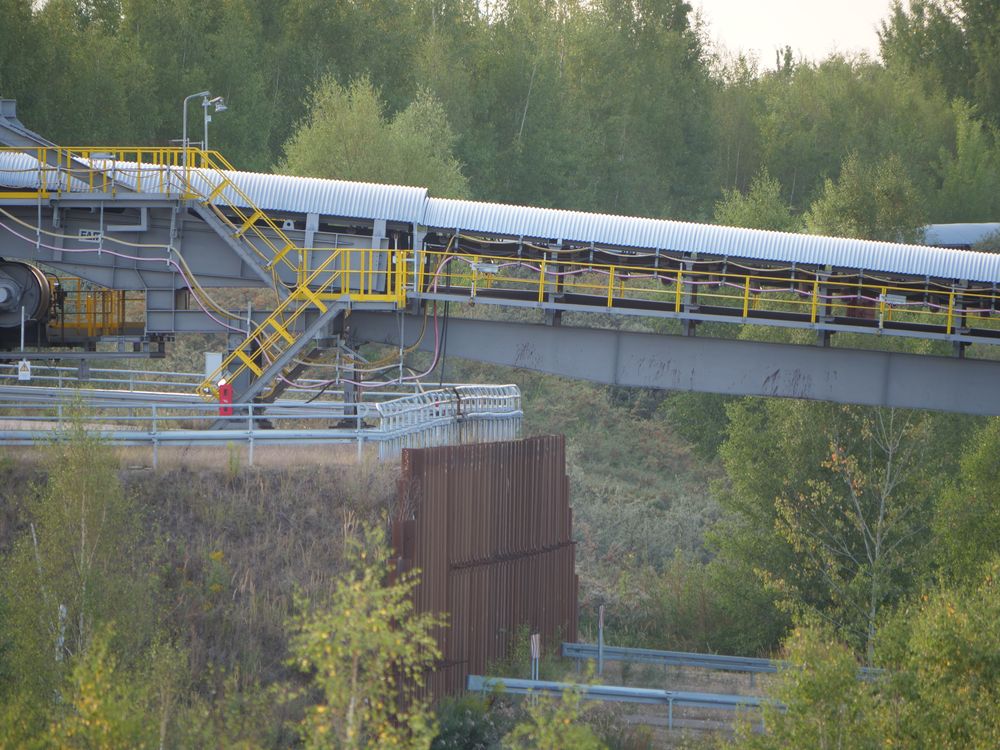
Maintenance staff need a walkway beside the belt, usually with grating or chequered plate, and handrails with a toe plate along every open edge. Handrails are often painted safety yellow so that they are easy to see. Good practice is to keep the walkway clear of cables and pipes, with enough width for a person to pass a tool or a spare idler. The relevant Indian and site safety rules should set the heights and loads, and the design should follow them.
Roofing and sides
Corrugated sheet roofing protects the belt and the material from rain, and from sun and wind that would blow fine material off the belt. Sheeting needs a proper fixing pattern and enough slope for water to drain. Side sheeting should leave openings or removable panels where people need to see the belt, and it should not trap dust that could build up on the structure.
Access and maintenance clearance
Plan how people get up to the gallery and out of it. Stairs, ladders with cages where suitable, and landings at transfer points should be part of the design. Allow space around the drive, the take-up and the transfer chutes, and think about how a replacement belt, pulley or gearbox will be brought in. Lifting beams or hatches over those areas save a great deal of time later.
Building it right
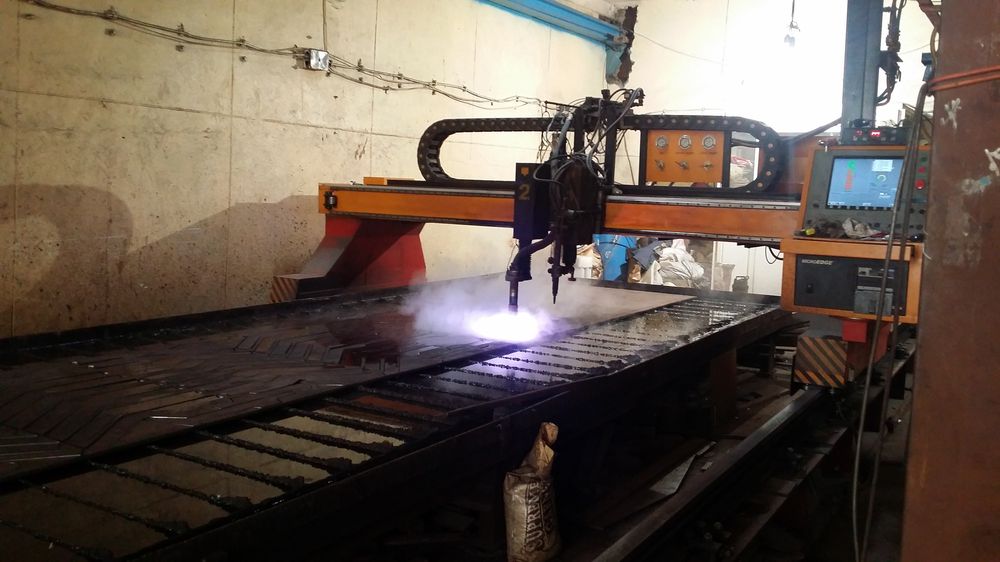
- Fabricate to tight tolerance so that bolt holes line up and the structure goes up square.
- Use structural steel such as IS 2062 and protect it with a coating that suits the site.
- Check alignment of the whole line, not only each trestle, before the belt is installed.
Mavenshell fabricates conveyor structures to a tolerance of up to 2 mm and erects them on site. If you are planning a gallery, our industrial conveyor solutions page shows what we build and how we work.
Let's build industrial growth together. Mavenshell fabricates, transports and installs, with inspection at three stages.