
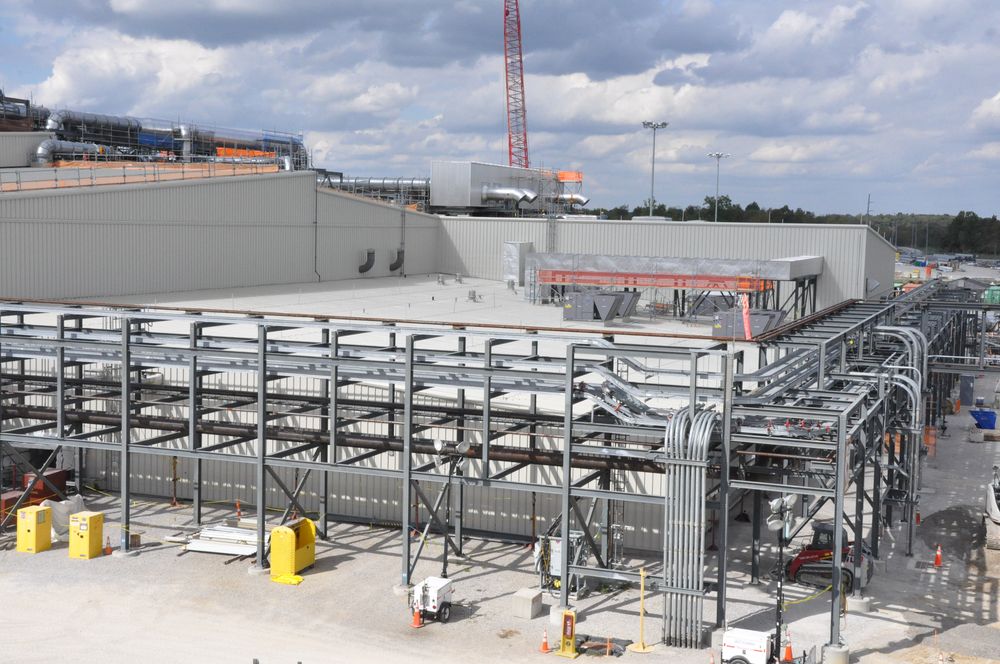

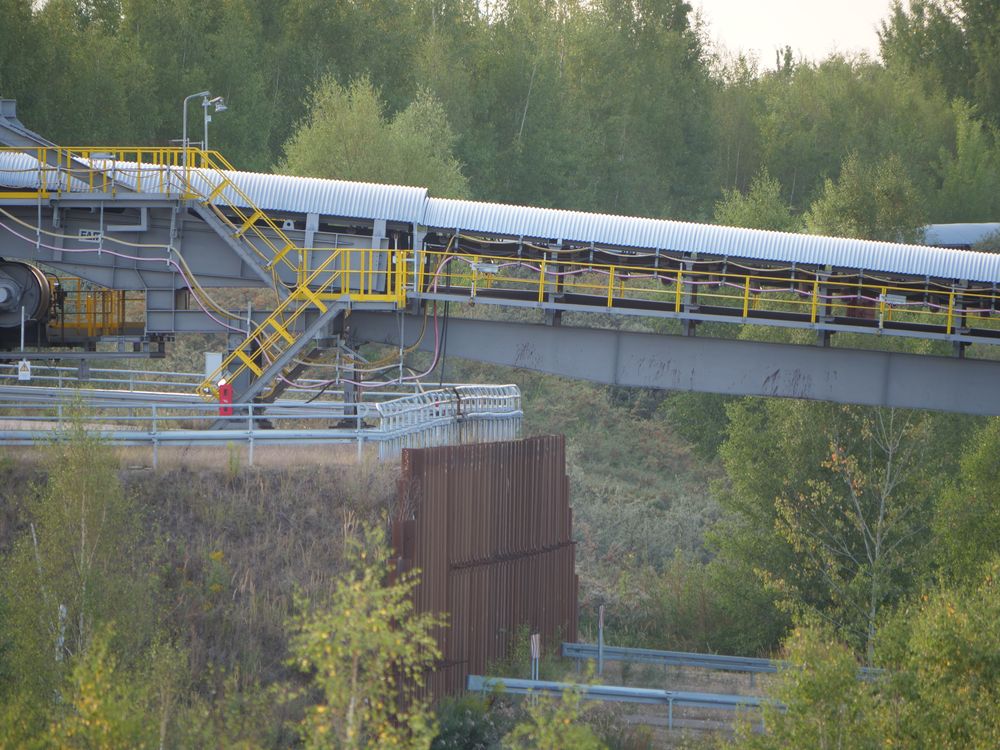
A belt conveyor looks simple: a belt, rollers, a drive. Planning one well means answering a set of linked questions before anything is fabricated. The points below are the usual starting list. Final selection is done by calculation against the standards and the equipment makers' data.
Know the material
Write down what the belt will carry: type of material, lump size, moisture, abrasiveness and how much dust it makes. Sticky, wet or sharp material changes the belt choice, the chute design and the cleaning. Also record the temperature and the site conditions.
Capacity in TPH
Capacity is set in tonnes per hour and should cover the peak that the plant will ask for, not only the average. Mavenshell builds conveyor systems for high-capacity duties, including 2,000+ TPH. Higher capacity needs a wider belt, a faster belt or both, and it affects the drive and the structure too.
Belt width and speed
Width and speed together set how much material the belt can move. A wider belt carries more at a lower speed, and lower speed generally means less wear and less dust. Width must also suit the largest lumps, so that they sit safely on the belt and pass the chutes.
Idlers and inclination
Idlers are the rollers that support the belt. Troughing idlers shape the belt so that it holds more material, and return idlers carry the empty belt back. Spacing depends on the load and the belt. The incline is limited by how the material behaves on the belt: if the angle is too steep, the material slides back. Choose the angle with the material in mind.
Dust and spillage
- Cover the belt where the material is dusty, and plan sealing at the chutes.
- Fit skirts and scrapers so material stays on the belt and does not build up on rollers.
- Provide a way to collect and clear spillage safely.
Drive and take-up
The drive must overcome the friction of the belt, the lift of the load and the starting inertia. A take-up keeps the belt at the right tension. Both need enough space and lifting provision around them.
Design for maintenance
Walkways, handrails, lifting points and idler access make routine work faster and safer. The structure that carries the belt should be built to line up accurately, since a straight line keeps the belt on track. Annual maintenance contracts can keep a line in good order after commissioning.
See our industrial conveyor solutions for the conveyor and crusher assemblies we build, from CAD to site assembly.
Let's build industrial growth together. Mavenshell fabricates, transports and installs, with inspection at three stages.