

A heavy lift is usually quick. The preparation is where safety is decided. This checklist is for hydra cranes and hydraulic cranes used for placing equipment, structures and machinery. It does not replace the crane maker's manual, the lift plan or the site rules. It gives a simple order for the checks.
The load and the plan
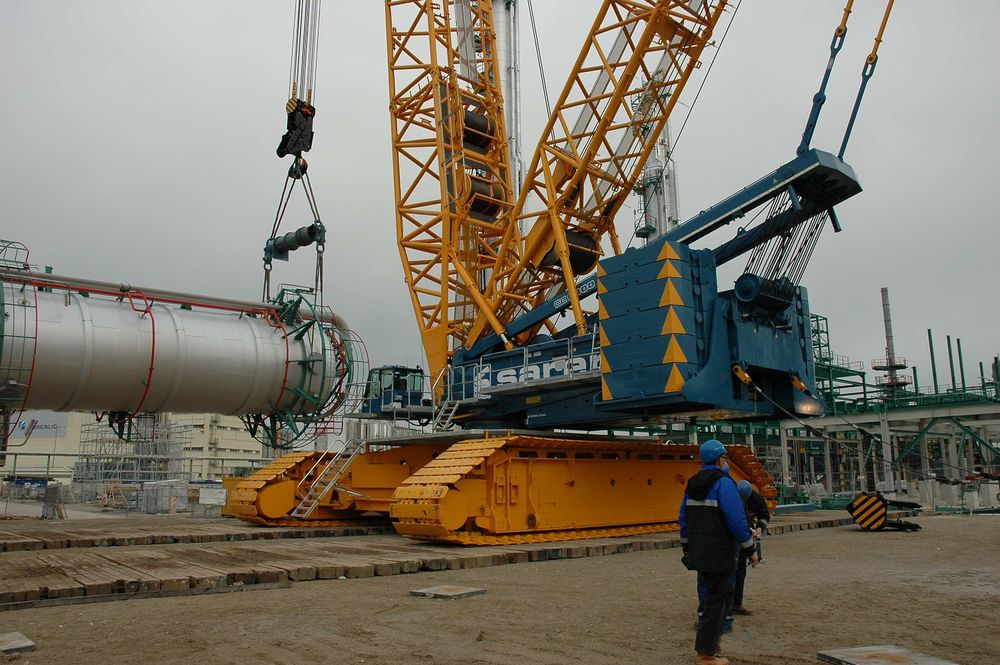
Start with what is being lifted. Confirm its real weight, its centre of gravity and its lifting points, using the supplier's drawing instead of an estimate. Decide where it will be picked up, where it will be set down and what path it takes. For any lift that is heavy or complex, a written lift plan names who does what.
Ground and outriggers
A crane is only as steady as the ground under it. Check that the surface is firm, level and free from trenches, drains, soft fill or buried services. Extend outriggers fully as the manual requires, and place spreader pads under the floats to spread the load. After heavy rain, look at the ground again.
Load chart and crane check
Read the load chart for the exact boom length, radius and configuration. The capacity falls as the radius grows, so the radius to the placing point matters more than the distance to the pick. Allow a margin below the chart limit and include the weight of the hook block, slings and shackles. The operator should confirm that the safety devices, limit alarms and brakes work.
Rigging
- Choose slings, shackles and spreader beams rated for the load and the angle of the sling legs.
- Inspect each item for cuts, kinks, wear or damage. Remove anything doubtful.
- Use tag lines to control swing, so no one has to touch the load.
Signalman and communication
Brief every person on the crew before the first lift, so each knows the load, the path and the plan for a stop. Appoint one signalman, who is clearly identified and in the operator's view. Agree on hand signals or radio calls before the lift. Anyone may call a stop, and the operator obeys a stop signal from anybody. Keep the area around the crane and the load barricaded so that only the crew is inside it.
Weather and surroundings
Wind affects large, light surfaces such as panels and trusses. Lightning, heavy rain and poor light can all be reasons to delay. Look up for overhead lines and down for services, and keep a safe distance from both.
Mavenshell works with Thakur Crane Services for hydra and 100-ton hydraulic cranes, and follows IS 15999 for safe handling. See our project execution page for how we plan equipment placement.
Let's build industrial growth together. Mavenshell fabricates, transports and installs, with inspection at three stages.